History
The Martini is undoubtedly one of the most iconic and representative cocktails of mixed drink culture. Its origins are uncertain, but its legend has grown over time, intertwining with the history of mixology itself.
The Martini, in its current form, evolved from the Martinez, a cocktail that first appeared in bartending manuals in the mid-19th century. The Martinez was made with gin, sweet vermouth, maraschino, and Angostura bitters, a mix that gradually transformed into the dry Martini we know today.
The first documented mention of the Martini dates back to 1884, in O.H. Byron’s book “The Modern Bartender’s Guide,” but it was in the 1920s and 1930s that the Martini consolidated its status as an elite cocktail, a symbol of sophistication and style. During Prohibition in the United States, gin, which was easily produced clandestinely, became the perfect base for the Martini, which became the favorite of the likes of F. Scott Fitzgerald and the legendary James Bond.
The simplicity of the Martini and its ability to be customized have ensured its longevity, making it a symbol of timeless elegance.
Character of the Cocktail
The Martini is a cocktail that embodies perfection in simplicity. It is a combination of just a few ingredients: gin, vermouth, and sometimes a touch of lemon or an olive which, when balanced correctly, create a sophisticated and satisfying taste and texture experience.
The perfect Martini is a balance of aromas and flavors: the gin offers complex botanical notes, the vermouth adds a delicate sweetness and acidity, while the garnish provides a finishing touch that enhances the overall profile of the cocktail. The challenge in creating a Martini is finding the right proportion, one that allows the gin to shine without overwhelming the other components, and the temperature to be so perfect that it sublimates every sip.
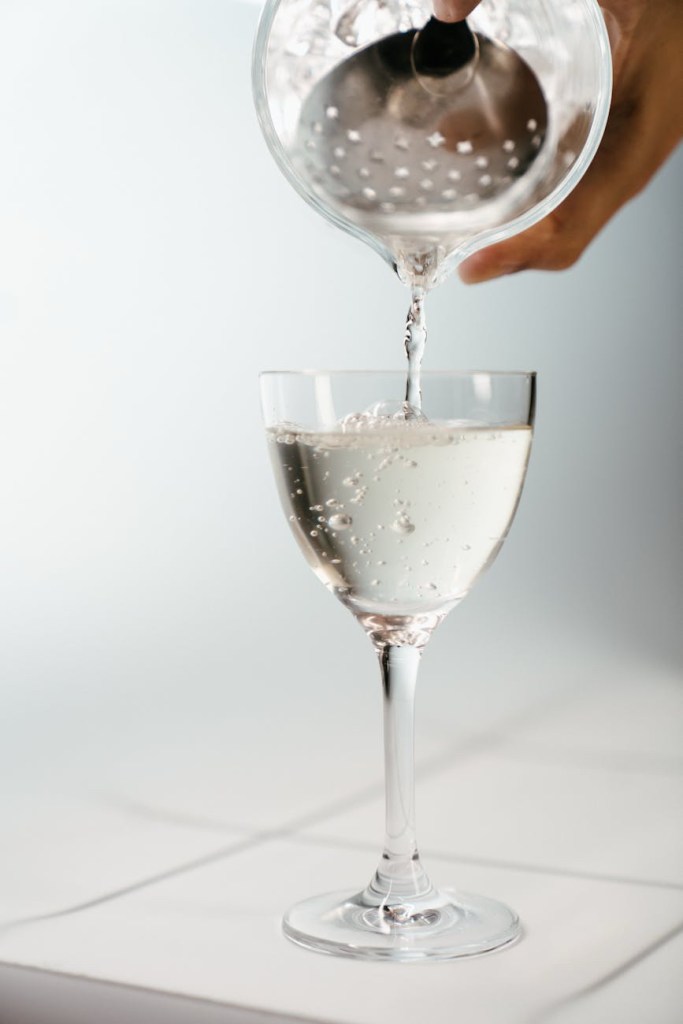
After years of experimentation, I realized that achieving the perfect temperature through dilution in a mixing glass is not only difficult but often ineffective. My solution is to use the freezer as a precision tool. My recipe calls for 7 cl of gin, diluted with 10% water, then stored in the freezer at a temperature between -10°C and -15°C.
This method produces a crystal-clear, cold, and intense Martini that can be served immediately, without the need for additional ice or further steps.
Preparing a Martini in the freezer is not only a way to improve the quality of the cocktail, but also to manage bar resources more sustainably. By reducing the need for ice, waste is minimized and service is simplified.
In addition, this approach allows for standardization in cocktail preparation, ensuring that every Martini served is of the same impeccable quality. The focus on sustainability is also reflected in the choice of ingredients: the gin and vermouth used must be of high quality, but also selected with an eye to their origin and production methods. Preferring producers who use sustainable practices and promoting the local distillery not only improves the bar’s ethical profile, but often enriches the cocktail’s flavor profile.
Preparation and Service
The preparation of the Martini offers a unique opportunity to personalize the customer experience:
Classic Martini: For a traditional Martini, add a few drops of vermouth to the empty serving glass, allowing its aroma to diffuse before pouring in the cold Martini. This creates a perfect balance between the dry notes of the gin and the sweet notes of the vermouth.
Dry Martini / No Vermouth: For those who prefer a more intense and pure experience, serve the cold gin without adding vermouth. This enhances the botanical notes of the gin, making the cocktail a concentrate of flavors.
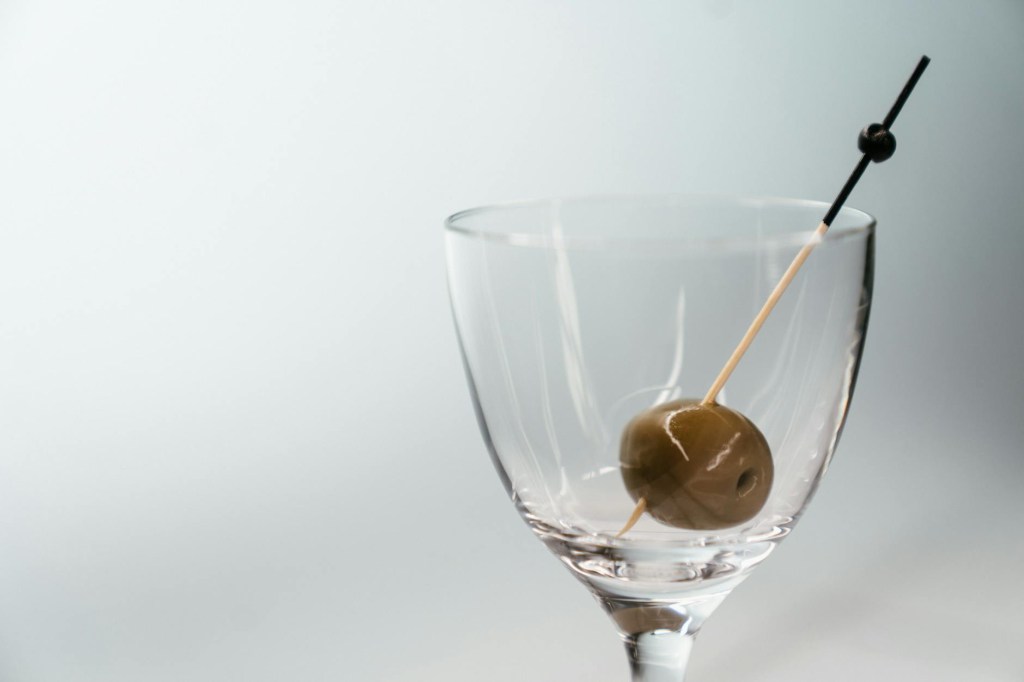
Dirty Martini: For those who appreciate salty notes, add olive brine to the glass before pouring the gin. The result is a cocktail that harmoniously combines savory and sweet flavors. You are also free to play with any other brines like capers or pickles.
Tips and Advice
The choice of vermouth is crucial and should reflect the desired flavor profile. Experiment with dry, floral, citrus, or spicy vermouths to discover new dimensions of the Martini.

The glass must be well chilled. Chilling it in the freezer or with ice before serving helps to keep the cocktail at the ideal temperature. Also, if using a foamer for a modern variation of the Martini, make sure the foam is compact and bubble-free for a flawless appearance and smooth texture.
Pairings
Martini pairs perfectly with dishes that enhance its freshness and complexity:
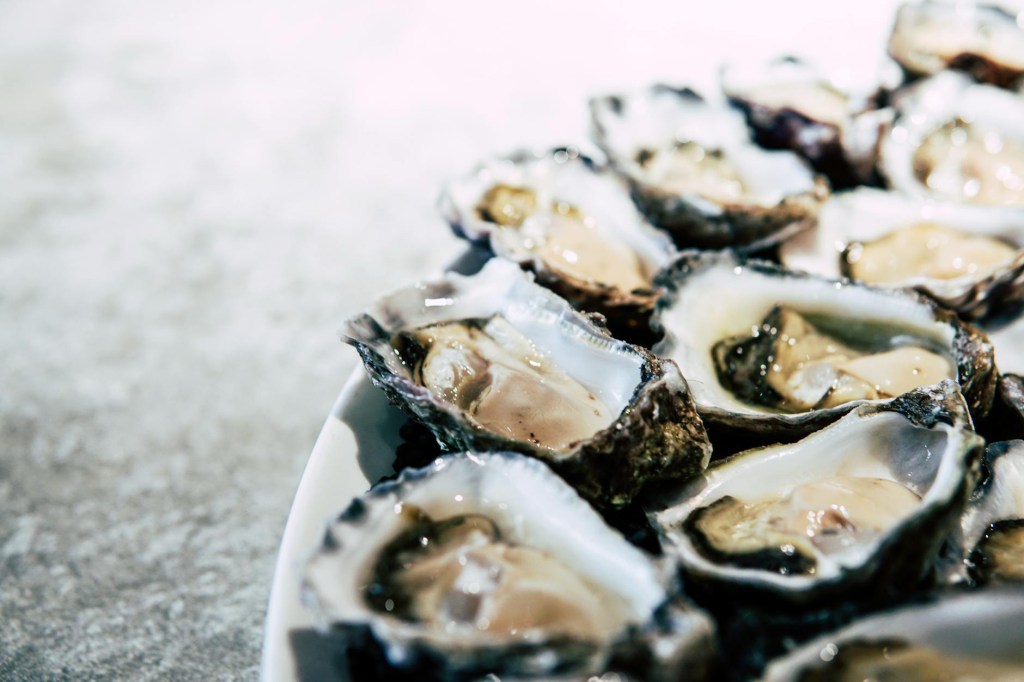
Gillardeau oysters: Their natural savoriness balances beautifully with the freshness of Martini, creating a refined and memorable taste experience.
Green olives in brine: Flavored with thyme and lemon, the olives add an aromatic touch that complements the cocktail’s profile, offering an intriguing contrast between the sweetness of the gin and the savory flavor of the olives.

Caviar:
Ultimately, the Martini is not just a cocktail, but an experience that embodies style, precision, and personality. Each variation tells a story, and each pairing enhances its nuances, making it a timeless classic that continues to evolve with each new interpretation.
Now it’s time for you to create your own signature Martini and don’t forget to have fun while you’re doing it!!!
Cheers! 🍸
